
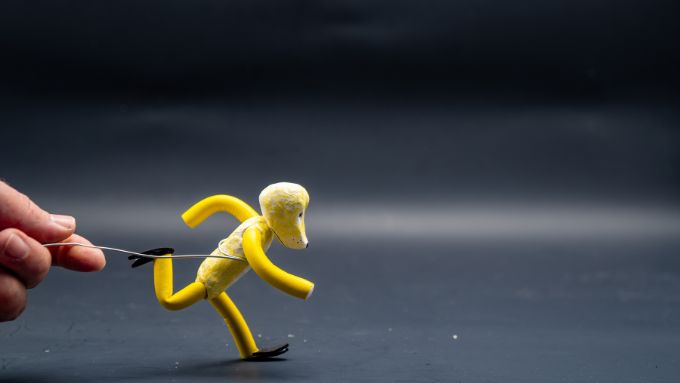
In filmmaking, stop-motion animation stands out as a uniquely captivating art form. It brings inanimate objects to life frame by frame, crafting stories that resonate with audiences of all ages.
If you’re intrigued by the magic of animation and eager to dip your toes into its colorful waters, explore these essential tips for learning how to make stop-motion animation.
What Is Stop-Motion Animation?
Stop-motion animation is a filmmaking technique that animates static objects by capturing them one frame at a time. Each frame has the objects in slightly different positions, creating the illusion of movement when you play the series of frames in rapid succession.
Whether you use clay models, puppets, or everyday items, the endless possibilities allow you to create whimsical fantasies or tell deeply engaging stories through a series of meticulously captured photographs.
Equipment You’ll Need To Make Animated Videos
Embarking on your animation journey requires a basic setup of equipment. Contrary to popular belief, you don’t need the most sophisticated tools to start making animated videos.
A stable camera or a smartphone with a good camera is all you need to capture clear, consistent frames. However, choosing the best professional camera gear upgrades will help you as you advance in your animation career.
Additionally, a tripod will keep your camera steady, helping you take each shot from the same angle and distance. Adequate lighting is also essential to maintain the consistency of your scenes, along with various props and the characters you intend to animate.
Investing in a remote shutter release can further streamline your process, allowing you to take pictures without touching the camera, thus avoiding unintentional movement.
Tips for Making Beginner Stop-Motion Animation Videos
Starting with simpler projects can help you grasp the basics of stop-motion animation. Begin by animating simple movements, like an object moving across a table, to understand the fundamentals of frame-by-frame photography.
Patience is key in stop-motion animation, as it requires considerable time to capture enough frames for even a short video. Experiment with different materials and objects to see what works best for you.
Lastly, the right editing software is crucial for bringing your frames together, allowing you to adjust the timing and add sound effects or music to enhance your animated story.
How To Create Ideas for Stop-Motion Animation
Inspiration for stop-motion animation can come from anywhere—everyday life, dreams, books, or movies. Start by brainstorming ideas, no matter how outlandish they may seem.
Sketching your ideas can help you visualize the story you want to tell. Consider the materials you have at your disposal and think creatively about how to use them to represent different characters or settings. Collaborating with friends or family can also spark new ideas, combining different perspectives into one cohesive project.
Learning how to make stop-motion animation is a journey filled with creativity, patience, and continuous learning. Each step you take enhances your storytelling skills and broadens your artistic horizons.
So, embrace the challenge, experiment with different techniques and materials, and most importantly, have fun with your creations. Remember, the world of stop-motion animation is as boundless as your imagination.
Leave a Reply