
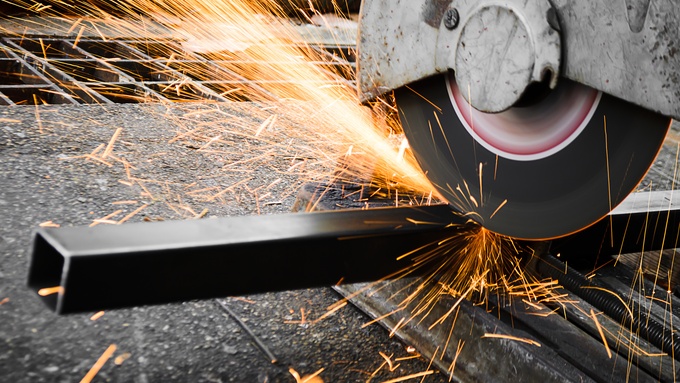
Cutting metal might seem intimidating if you’ve never worked with it before. Unlike wood or plastic, metal requires specialized tools, careful preparation, and an understanding of how different materials respond to cutting. However, you don’t need years of experience to develop basic metalworking skills. With the right equipment and techniques, beginners can make accurate cuts while maintaining a safe working environment. Whether you’re tackling home improvement projects, repairing equipment, or exploring metalworking as a hobby, understanding the fundamentals will help you avoid common mistakes. Here’s what beginners should know before making their first cut.
Understand the Different Types of Metal
Not all metals behave the same way when you cut them. Some materials offer relatively little resistance, while others require powerful equipment and specialized cutting tools.
Aluminum, for example, generally cuts more easily than stainless steel. Mild steel offers moderate resistance, making it a common choice for beginners practicing basic techniques. Stainless steel presents additional challenges because its strength and tendency to work harden can accelerate tool wear.
Before starting any project, identify your material and determine its thickness. These factors influence which cutting methods will produce the best results.
Choose the Right Metal Cutting Tool
Different cutting tools serve different purposes, and selecting the right equipment makes a significant difference in your results.
Beginners should familiarize themselves with several common options:
- Hacksaws: Offer affordable, manual cutting options for smaller metal pieces.
- Angle grinders: Use appropriate cutting discs to slice through various metal materials.
- Band saws: Provide controlled cutting for metal bars, pipes, and other stock.
- Metal shears: Cut thin sheet metal without producing excessive sparks.
- Plasma cutters: Use an electrically conductive plasma arc to cut suitable metals.
Consider your material, available workspace, and experience level before choosing equipment. Always follow the manufacturer’s operating instructions.
Start With Simple Cutting Projects
Your first metalworking project shouldn’t require complicated shapes or extremely precise measurements. Start with straightforward cuts that allow you to practice handling equipment safely.
Cutting short sections of mild steel tubing or flat stock can help you understand how cutting tools respond to different amounts of pressure. Choose manageable pieces that fit securely within your work area.
As your confidence improves, experiment with longer cuts or different materials. Developing consistent technique matters more than completing complicated projects immediately.
Always Wear Appropriate Safety Equipment
Metal cutting creates several hazards, including sharp edges, flying debris, and potentially dangerous sparks. Proper personal protective equipment helps reduce your exposure to these risks.
Wear safety glasses with suitable additional face protection when your equipment requires it. Use hearing protection around loud cutting tools and choose footwear that protects your feet from falling materials.
Gloves can protect your hands while handling sharp stock, but keep them away from rotating machinery whenever they create an entanglement hazard. Follow your equipment manufacturer’s guidance.
Also, avoid loose clothing and secure long hair before operating powered tools.
Prepare Your Workspace Before Cutting
A clean workspace helps you maintain control over your equipment and reduces unnecessary distractions.
Remove combustible materials from areas where sparks might travel. Keep electrical cords away from cutting paths and provide enough room to move comfortably around your workpiece.
Metal cutting can also release harmful dust or fumes, particularly when materials contain coatings. Use appropriate ventilation and exposure controls for the process.
Make sure your work surface can support the material without shifting. A stable setup allows you to concentrate on making accurate cuts instead of constantly adjusting your position.
Measure and Mark Your Cutting Lines
Accurate measurements help prevent wasted materials and unnecessary corrections.
Use a tape measure or metal ruler to determine your desired dimensions. Mark your cutting line with a suitable marker, scriber, or layout tool.
For straight cuts, use a square to create a consistent reference line across the material. Double-check your measurements before starting.
Remember that cutting tools remove material as they pass through metal. Account for this cutting width, commonly called the kerf, when planning your dimensions.
Secure Your Metal Before Starting
One of the most important beginner lessons involves securing materials properly.
Loose metal can shift unexpectedly during cutting, causing inaccurate results or dangerous tool movement. Use appropriate clamps or a sturdy vise to hold your workpiece securely.
Position clamps away from your intended cutting path while ensuring the material has adequate support.
Long sections of metal may require additional stands to prevent sagging or movement. Never rely on your hands alone to stabilize a workpiece while operating powered cutting equipment. Taking time to secure everything properly makes cutting safer and more predictable.
Understand How Cutting Speed Affects Results
Cutting speed influences tool performance, surface quality, and overall efficiency.
Moving too quickly through metal can overload equipment or damage cutting edges. Working too slowly with certain tools can also create problems, particularly when friction causes excessive heating.
Different materials require different operating speeds. Harder metals often benefit from lower cutting speeds with appropriate tooling, while softer materials may tolerate faster cutting conditions.
Follow the manufacturer’s recommended settings rather than guessing. Consistent, controlled movement generally produces better results than forcing your tool through the material.
Learn How To Control Cutting Heat
Heat plays an important role in metal cutting because friction and material deformation generate substantial temperatures.
Excessive heat can shorten tool life, damage cutting edges, and affect the appearance of your finished material.
One important consideration involves reducing heat generation while cutting through proper tool selection, suitable cutting speeds, and controlled feed pressure.
Some cutting operations also benefit from compatible cutting fluids that lubricate the cutting area and help manage temperatures.
However, never introduce liquids near electrical equipment or abrasive cutting processes unless the manufacturer specifically permits their use.
Recognize Common Beginner Cutting Mistakes
Beginners often encounter problems because they rush preparation or misunderstand how their equipment operates.
Applying excessive pressure represents one common mistake. Forcing a cutting tool through resistant material can damage the blade and increase the likelihood of losing control.
Another frequent issue involves using unsuitable blades or discs. Different cutting accessories have specific material ratings and operating limits.
Ignoring tool wear can also create unnecessary problems. Dull cutting edges require greater effort and frequently produce rougher results.
Inspect your equipment before every project and replace damaged accessories according to manufacturer recommendations.
Understand Why Metal Edges Need Finishing
Freshly cut metal often has sharp edges or small raised imperfections called burrs.
These imperfections can cause injuries during handling and interfere with assembly when components need to fit together accurately.
Deburring tools, suitable files, and appropriate abrasives can help smooth rough edges after cutting.
Allow the material to cool before handling it, and use suitable protection against sharp surfaces.
Check your finished dimensions after removing burrs. Careful finishing improves both the appearance and functionality of your metalworking projects.
Maintain Your Cutting Equipment Regularly
Proper maintenance helps cutting equipment perform consistently and reduces unexpected problems.
Inspect blades and cutting discs for damage before using them. Check power cords for visible wear and make sure guards remain secure.
Keep tools clean according to manufacturer instructions. Metal chips and accumulated debris can interfere with moving components.
Replace cutting accessories when they show excessive wear rather than continuing to use them beyond their service life.
Store equipment in dry locations to limit corrosion. Consistent maintenance supports safer operation and helps protect your investment.
Build Your Skills Through Consistent Practice
Metal cutting becomes easier as you gain experience with different materials and equipment.
Focus initially on producing straight, consistent cuts while maintaining proper tool control. Practice measuring carefully and securing materials before every operation.
Pay attention to how your equipment responds during each project. Changes in cutting resistance or unusual vibrations may indicate problems that require attention.
Consider taking an introductory metalworking class if you want supervised instruction with unfamiliar equipment.
Above all, prioritize safe habits over speed. Building a reliable foundation will help you approach increasingly demanding metalworking projects with greater confidence.
Know When To Seek Professional Assistance
Some metal cutting projects exceed the capabilities of basic equipment or beginner experience.
Thick structural components, complicated fabrication requirements, and materials with unknown coatings may require specialized expertise.
Recognizing these limitations doesn’t mean abandoning your project. Instead, it allows you to concentrate on tasks that match your abilities. With preparation and consistent practice, you’ll develop the skills necessary to handle more metal cutting projects safely and successfully.
Leave a Reply