
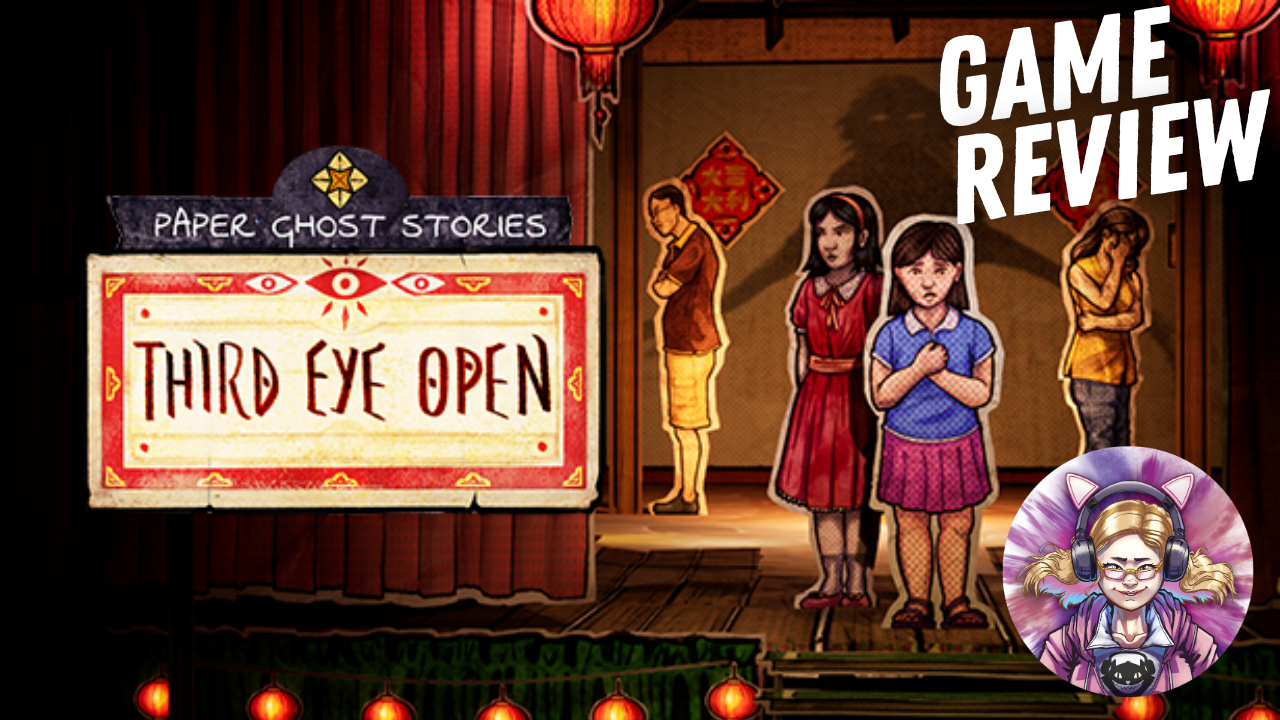
In the world of video games, storytelling often takes center stage, but few titles manage to blend narrative depth with artistic innovation as seamlessly as Paper Ghost Stories: Third Eye Open. This adventure game invites players to navigate the trials of adolescence, challenging friendships, and spiritual encounters through a beautifully crafted “paper theatre” style inspired by the Joss-Papercraft of Southeast Asia.
At the heart of this unique adventure is Ting, a Chinese-Malaysian girl whose life is disintegrating around her. As her family dynamics crumble, players guide Ting through the turbulent waters of adolescence. The game’s narrative delves into heavy subjects such as feeling different and living in a tense household, providing a poignant look at the struggles of growing up in a fractured environment.
One of the game’s standout features is its emotional storytelling. Ting’s journey is not just about navigating the external challenges but also about confronting her inner turmoil. Befriending Xiu, a young ghost yearning for eternal rest, players are tasked with helping Xiu find peace while also addressing Ting’s personal struggles. The interaction between these characters forms the emotional backbone of the game, making every dialogue choice and puzzle solve a profoundly resonant experience.
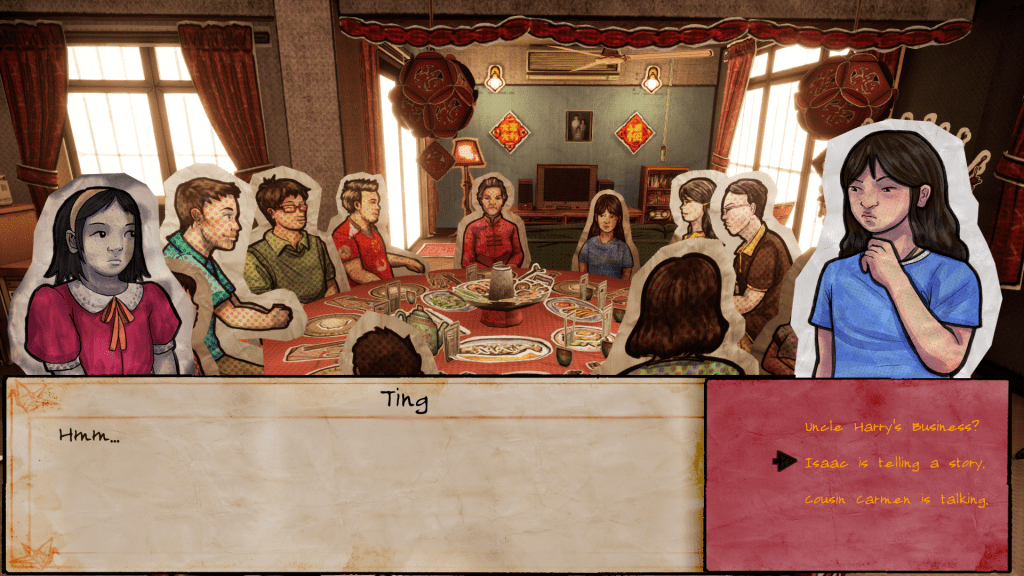
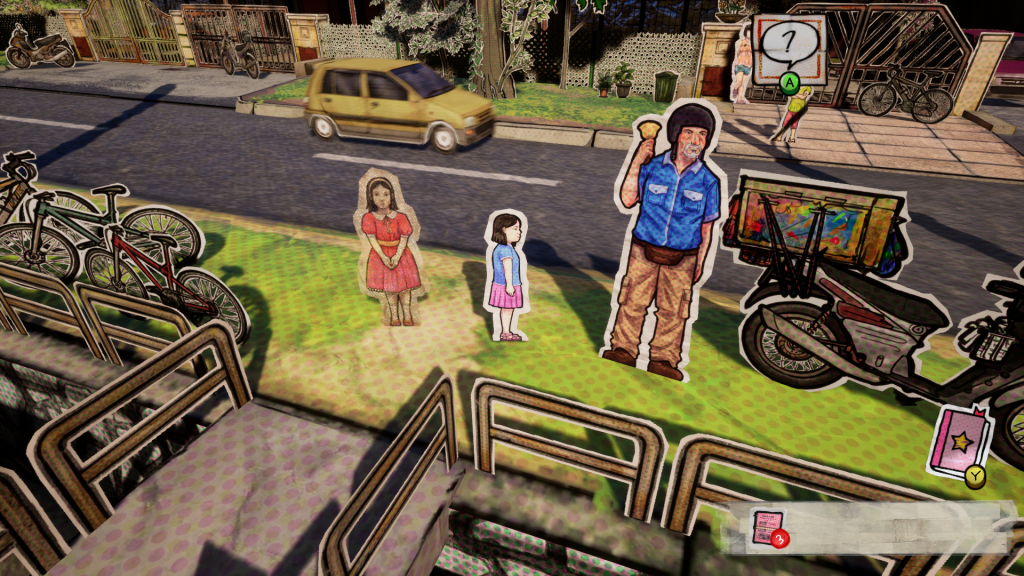
The game’s visual style is nothing short of stunning. The “paper theatre” aesthetic, inspired by Southeast Asian Joss-Papercraft, transforms the game into a living work of art. This style not only sets the game apart visually but also enhances its storytelling. The intricate, handcrafted look of the environments and characters draws players into a world that feels both magical and deeply personal.
Paper Ghost Stories excels in its ability to evoke emotion. The narrative is crafted with such care that it’s not uncommon for players to find themselves moved to tears. The game doesn’t shy away from exploring profound emotional themes, and it does so with a sensitivity that ensures the player’s connection to Ting and Xiu is both authentic and compelling.
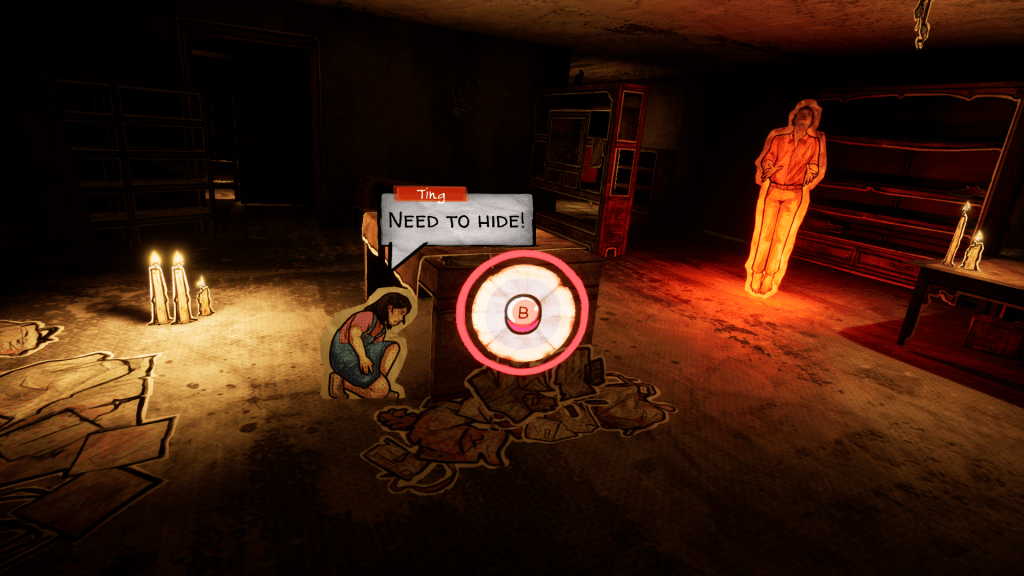
Gameplay in Paper Ghost Stories revolves primarily around exploration and dialogue. Players spend much of their time finding objects and navigating through various areas while unraveling the story. Although the game includes a few mini-games and stealth sections, these are secondary to the main narrative focus. The stealth mechanics, which involve sneaking past characters using a simple cursor system, add a layer of tension without overshadowing the story.
It’s important to note that Paper Ghost Stories is a story-driven game. If you’re not a fan of extensive dialogue and narrative exploration, this game might not be for you. The majority of gameplay involves engaging with dialogue bubbles and solving emotional puzzles rather than action-packed sequences. However, for those who appreciate a well-told story and deep character development, the game offers a rich and rewarding experience.
Xiu’s presence in the game is more than a supernatural element; it serves as a metaphor for Ting’s own fears and anxieties. Even without the ghostly subplot, the story of a shy girl struggling to be understood would stand strong. The interplay between the mundane and the mystical adds layers to an already poignant narrative, making Paper Ghost Stories: Third Eye Open a memorable and emotionally impactful adventure.
Paper Ghost Stories: Third Eye Open is a testament to the power of storytelling in video games. Its beautiful paper theatre visuals, combined with a deeply emotional narrative, create an experience that lingers long after the game is over. While it may take a moment to fully immerse yourself in Ting’s world, the journey is well worth it for those who cherish a good story and appreciate the artistry behind game design.

Leave a Reply