
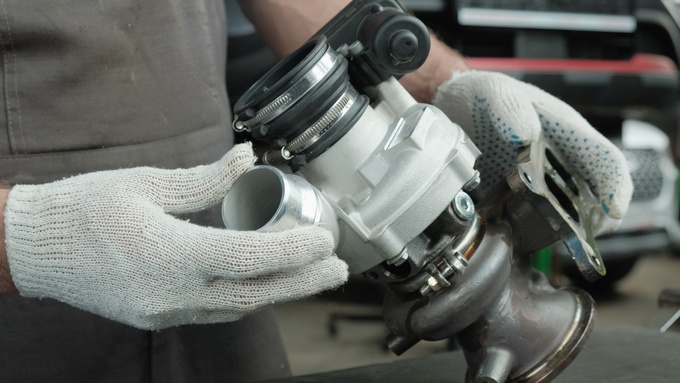
There’s nothing like the sound of a turbo spooling, but over time, the stock power can start to feel a bit underwhelming. If you’re looking for more responsiveness and higher horsepower without sacrificing reliability, we’ve got you covered. Check out our list of the top turbocharged vehicle upgrades for 2026 to help you decide where to invest your money.
Maximize Performance With ECU Tuning
Your factory electronic control unit (ECU) usually prioritizes fuel economy and comfort over raw speed. A dedicated software tune adjusts fuel maps, ignition timing, and boost pressure to improve output. It often yields the biggest horsepower gain per dollar spent.
This modification tells your engine how to use its hardware more effectively. You can choose between off-the-shelf maps or a custom dyno tune for specific needs. Just verify your engine is healthy before turning up the wick.
Keep It Cool With a Better Intercooler
Compressing air generates massive heat, which robs power. Upgrading to a larger, front-mount intercooler directly combats this problem. It lowers intake temperatures, creating a denser air charge for the engine. As a result, it enables safer, more aggressive combustion.
This upgrade also keeps your engine consistent and prevents heat soak, performing best during the summer months or on track days.
Spark Plugs for Ignition Consistency
High boost increases cylinder pressure, making it harder for standard plugs to fire. You need a robust spark to ignite that mixture under heavy load. Understanding specific spark plug requirements for turbocharged engines helps you choose the correct heat range and gap.
The right plug prevents misfires and protects your engine from dangerous pre-ignition. A plug that runs too hot can lead to engine damage quickly. Always double-check your gap before installation.
Reduce Turbo Lag With a Downpipe
Stock exhaust systems often choke the turbo with restrictive catalytic converters and narrow piping. A high-flow downpipe significantly reduces back pressure after the turbo exhaust housing. This allows the turbine to spin up faster, drastically reducing lag.
You also get that aggressive exhaust note as a nice side effect. Be sure to check local emissions regulations before removing factory catalytic converters. This part usually requires an ECU tune to work correctly.
Improve Airflow With a Cold Air Intake
Your engine needs to breathe freely to make power. An aftermarket cold air intake removes restrictive factory baffles and resonators. It smooths the path for air entering the compressor housing.
This small change instantly improves throttle response. You’ll also hear that induction noise and turbo flutter much more clearly. It serves as a great supporting mod for other upgrades.
Car modifications are about balance and choosing the right parts for your specific goals. Focusing on these upgrades for your turbocharged vehicle puts you on the right track for a faster, more reliable build.
Leave a Reply