
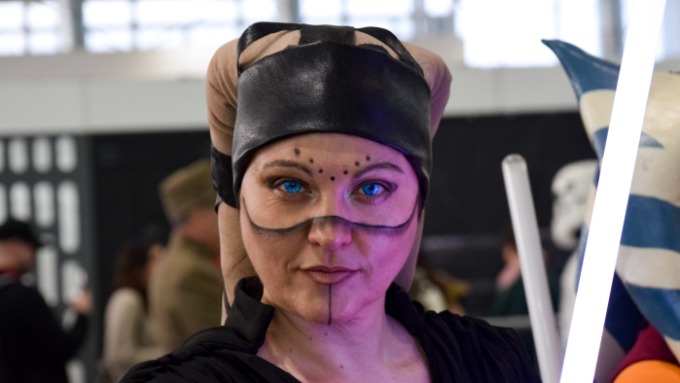
A finished cosplay can look effortless on a convention floor. Armor catches the light, fabric moves with the wearer, and recognizable details bring a favorite character into the real world. Behind that result sits a creative process that can involve weeks or months of research, testing, construction, and adjustment.
Cosplay asks fans to translate designs from movies, television, games, anime, and comics into physical clothing and accessories. That translation rarely follows a simple path because fictional artists do not always design costumes with real materials or human movement in mind. Cosplayers solve those problems by combining craft skills with their own interpretation of the character.
Start With Strong Reference Material
Most costume builds begin with reference images. Cosplayers study screenshots, promotional artwork, game models, comic panels, and official character illustrations to understand how each part of an outfit should look. Images from several angles can reveal details that a single front-facing picture might hide.
Reference hunting can also uncover inconsistencies within the original design. A jacket may change length between scenes, or an armor plate may sit differently depending on the artwork. Instead of trying to reproduce every conflicting detail, the builder can choose the version that creates the clearest and most practical interpretation.
This early research gives the rest of the project direction. It helps establish color, proportion, texture, and shape before anyone cuts fabric or heats foam. A good reference library also saves time later because the builder can return to it whenever a construction choice feels uncertain.
Break the Design Into Separate Projects
A complicated costume becomes easier to manage when the builder divides it into individual components. A character might require a coat, trousers, boots, gloves, armor, jewelry, a wig, and a prop. Looking at each part separately makes the project easier to plan and budget.
This stage also helps determine what to make from scratch and what to modify. Existing boots may only need added straps or paint, and an unusual fantasy coat may require a custom pattern. Cosplayers can make those decisions based on their skills, available tools, schedule, and desired level of accuracy.
Planning ahead can also reveal which parts depend on one another. A belt may need to support armor, for example, while a wig could affect how a headpiece fits. Solving those relationships early reduces the chance of rebuilding finished pieces later.
Turn Fictional Clothing Into Wearable Garments
Sewing plays a major role in many costume builds because fictional characters often wear clothing with unusual shapes or dramatic proportions. Some cosplayers adapt commercial patterns, while others draft their own pieces or modify existing garments. Either approach requires the builder to think about how the clothing will fit a moving person.
Fabric selection can change the appearance of the entire costume. A stiff textile may give a uniform a sharp silhouette, while a softer fabric may suit a flowing robe or layered fantasy outfit. Builders also need to consider stretch, weight, texture, and how the material behaves under convention lighting.
Construction methods matter just as much as fabric choice during cosplay costume creation. Different seams and sewing machine stitches serve different purposes, especially when builders work with fabrics that stretch, fray, or need visible decorative lines. Understanding those differences helps cosplayers choose techniques that suit both the fabric and the design.
Mock-ups can help builders test a pattern before they use expensive material. Inexpensive fabric allows them to check fit, proportions, and range of motion without risking the final textile. That extra step can prevent costly mistakes and make the finished garment more comfortable.
Build Armor and Props With Movement in Mind
Many characters require more than fabric. Superheroes, fantasy warriors, and science-fiction characters may carry weapons or wear large armor pieces that require foam, thermoplastics, resin, or 3D-printed parts. Those materials introduce a different set of construction skills.
EVA foam remains common in cosplay because builders can cut, heat, shape, and layer it without creating extremely heavy armor. Thermoplastics can provide harder surfaces, and 3D printing allows makers to produce complex forms with precise details. Each method has advantages, so builders often combine techniques within one costume.
Convention conditions should influence these choices. A massive sword may look impressive in photographs but become tiring after several hours, while rigid shoulder armor can limit movement in a crowded hall. Builders who consider weight and mobility from the start can create props that look convincing without making the costume difficult to wear.
Convention rules also matter when designing props. Events often establish specific requirements for prop dimensions, materials, sharp edges, or replica weapons. Checking those rules before construction can prevent an elaborate piece from staying outside the venue.
Test the Entire Costume Before the Event
A costume can behave differently on a person than it does on a mannequin or worktable. Straps can slip, armor pieces may collide, and fitted garments may restrict movement once the wearer starts walking or posing. A full test run gives the builder time to identify those problems before convention day.
During this stage, comfort deserves as much attention as appearance. Shoes need to support hours of walking, and heavy garments may require ventilation or removable layers. Hidden pockets and accessible closures can also make a costume much easier to manage during a long event.
Testing also shows whether the costume can survive normal convention activity. The wearer may need to sit down, climb stairs, carry a bag, or move through crowded corridors. Good cosplay costume creation accounts for those real-world demands instead of focusing only on how the outfit looks in a photograph.
Small repairs may still happen after a test run. A reinforced seam or stronger attachment point can prevent a minor weakness from turning into a convention-day problem. Builders often learn as much from these final adjustments as they do from the initial construction.
Bring the Character Onto the Convention Floor
Convention day changes the context of the costume. A project that spent months in a workshop suddenly enters a space filled with fans who recognize its references and details. Photographers may notice craftsmanship that took hours to complete, and other cosplayers can appreciate solutions to difficult design problems.
The costume also becomes part of a wider fan experience. Someone portraying a character may meet others from the same series, join group photos, or spark conversations with people who love the source material. Those interactions connect the craft of cosplay with the communities built around movies, games, comics, anime, and television.
The final costume represents far more than its visible materials. Every seam, armor panel, styled wig, and repaired attachment reflects a series of creative choices made along the way. For many fans, building and refining those pieces matters just as much as wearing the finished character at the convention.
Leave a Reply