
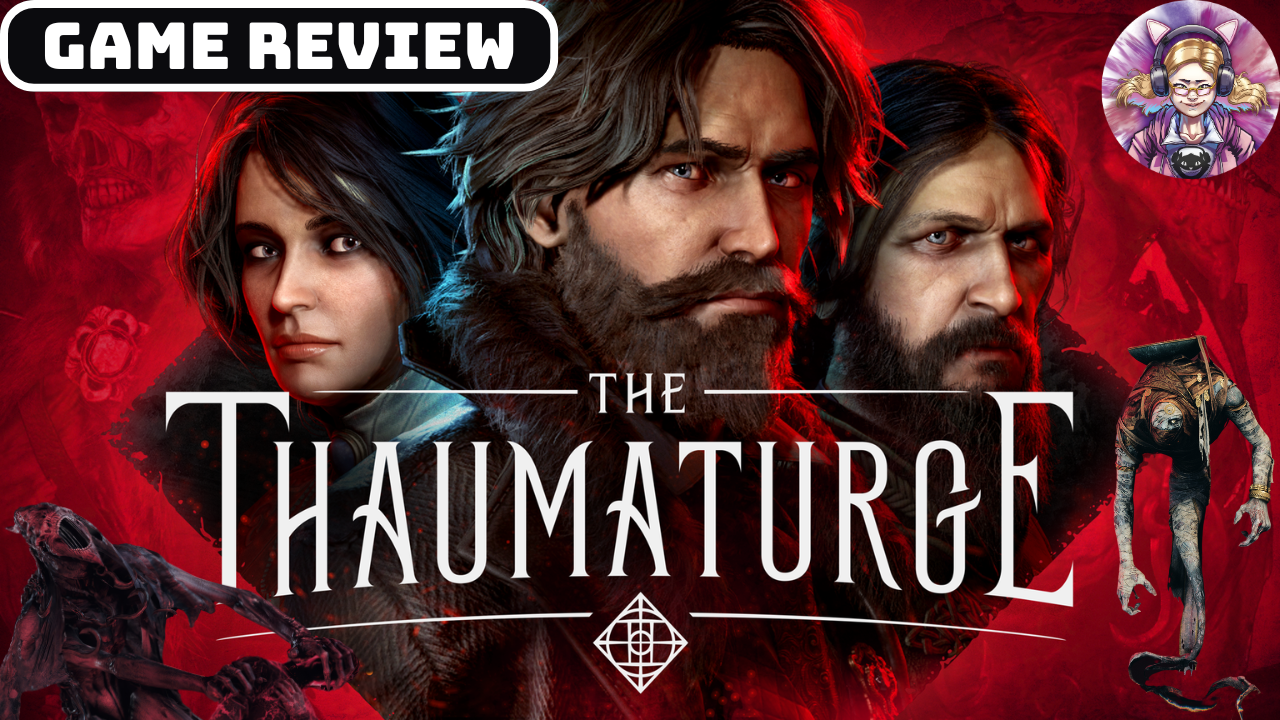
The Thaumaturge is an intriguing blend of detective work, supernatural horror, and turn-based combat, set against the turbulent backdrop of 1905 Warsaw. In a city grappling with political, social, and economic turmoil due to the Russian occupation and poverty, the game weaves together themes of personal flaws, occult powers, and a city on the brink of change.
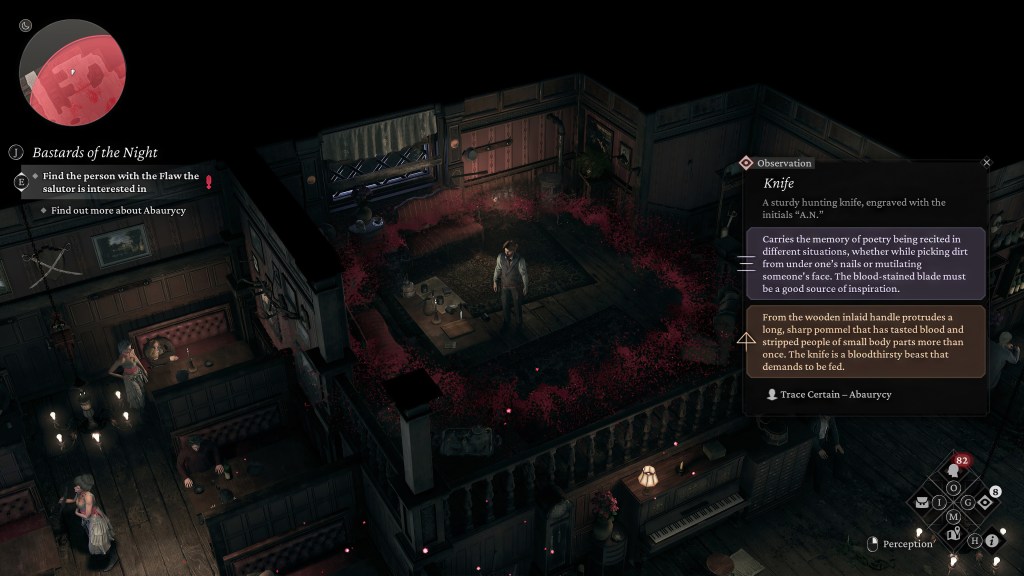
The protagonist, Wiktor Szulski, is a Thaumaturge— a mage with the unique ability to bind cryptic, spectral entities known as salutors to his will. These otherworldly companions serve as both combat allies and tools for uncovering the hidden layers of Warsaw’s grim streets. The game opens with a brief tutorial that introduces you to Wiktor’s world, where he uses his talents to solve mysteries that often involve interacting with supernatural forces. The game’s detective mechanics are deeply integrated into its core, as most of your tasks involve searching for clues tied to lingering emotional imprints on objects. These traces allow Wiktor to glean information about the past, unraveling mysteries through both logical deduction and emotional insight.

What sets The Thaumaturge apart is its unique combat system. Rather than focusing purely on traditional turn-based combat, it incorporates a timeline mechanic that adds a strategic layer to each battle. Each action, whether it’s a physical attack or a demon’s ability, is queued up on a timeline, with the goal being to time your moves for maximum impact. This system offers a refreshing take on combat, making it feel more dynamic than traditional turn-based games.
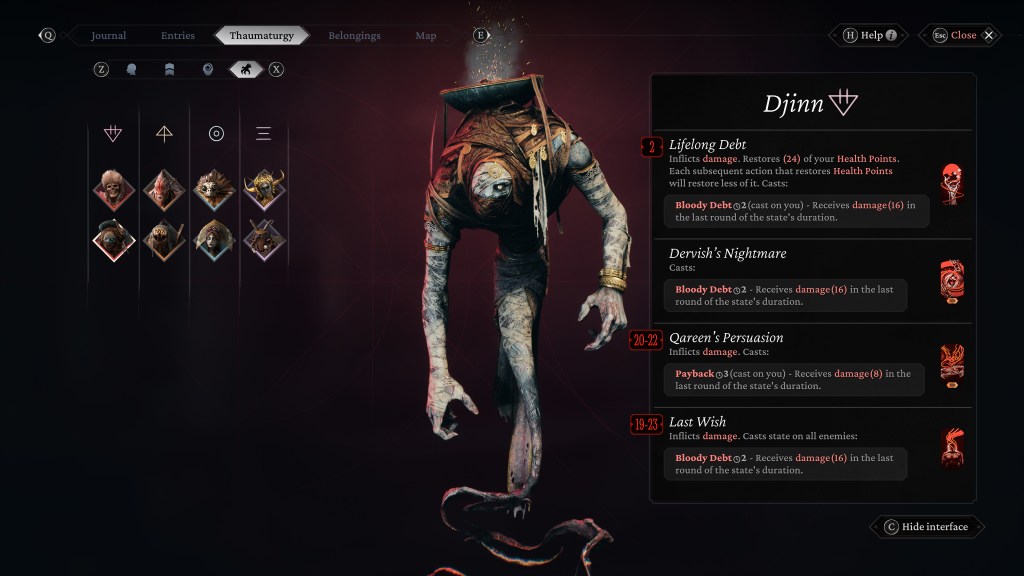
A key feature of The Thaumaturge is the relationship between Wiktor and his demons. These creatures, tied to the protagonist’s flaws—such as pride—are central to both combat and exploration. They grow stronger as Wiktor embraces his flaws, and each one provides new abilities, which can be used in battles or to uncover hidden elements in the environment.
The process of summoning and capturing demons after a “boss battle” against the person’s flaw offers a psychological twist to the game, as it forces Wiktor to confront the darker aspects of his own nature. This unique mechanic ensures that The Thaumaturge is not only about solving external mysteries but also about delving into its protagonist’s psyche.
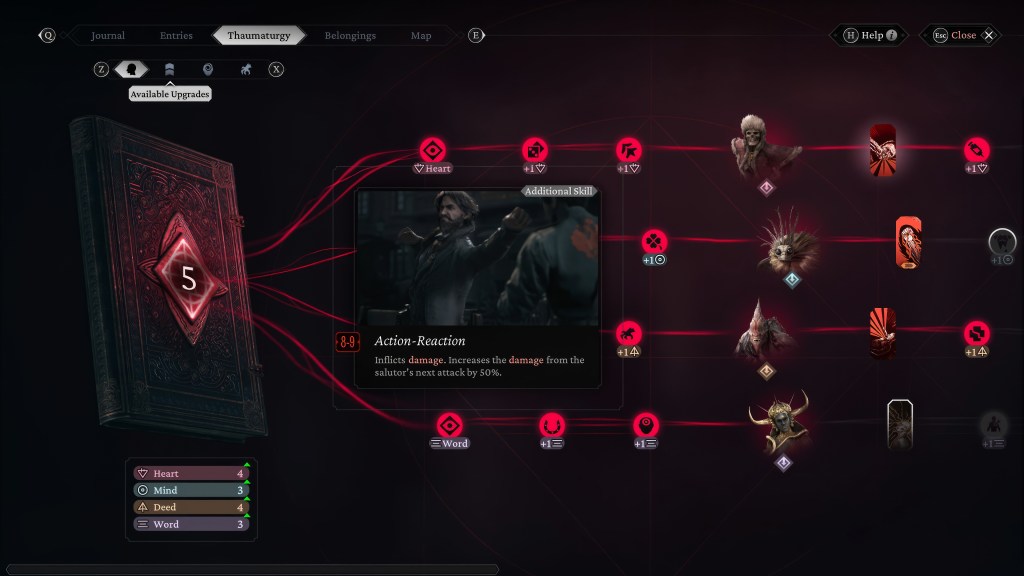
The game’s skill tree is divided into four paths: Heart, Mind, Deed, and Word. These paths affect more than just combat—they also influence how you interact with the world. Your abilities in these areas determine what clues you can extract from objects, unlock specific dialogue options during tense manipulative moments, and even change the direction of your investigation. This dual-purpose progression system keeps you engaged not only in combat but also in the mystery-solving aspect of the game.
A key part of The Thaumaturge’s gameplay loop is the use of “traces” left behind by people. As Wiktor explores Warsaw, he comes across objects that carry the emotional imprints of past owners. These imprints help build the backstory of secondary characters and add depth to the narrative. While not all of these objects are essential to the main quests, they serve to flesh out the world and provide hidden landmarks that reward exploration with extra experience points.
The setting of 1905 Warsaw is brought to life through meticulous attention to detail. The streets are filled with the sounds of a city enduring hardships, with the moody ambiance enhanced by the voice acting. The dialogue exchanges, often tinged with irritation or resignation, reflect the struggles of everyday people trying to survive amidst political unrest. This immersive sound design works in tandem with the game’s visual style to create a gritty atmosphere, grounding the supernatural elements in a believable world.
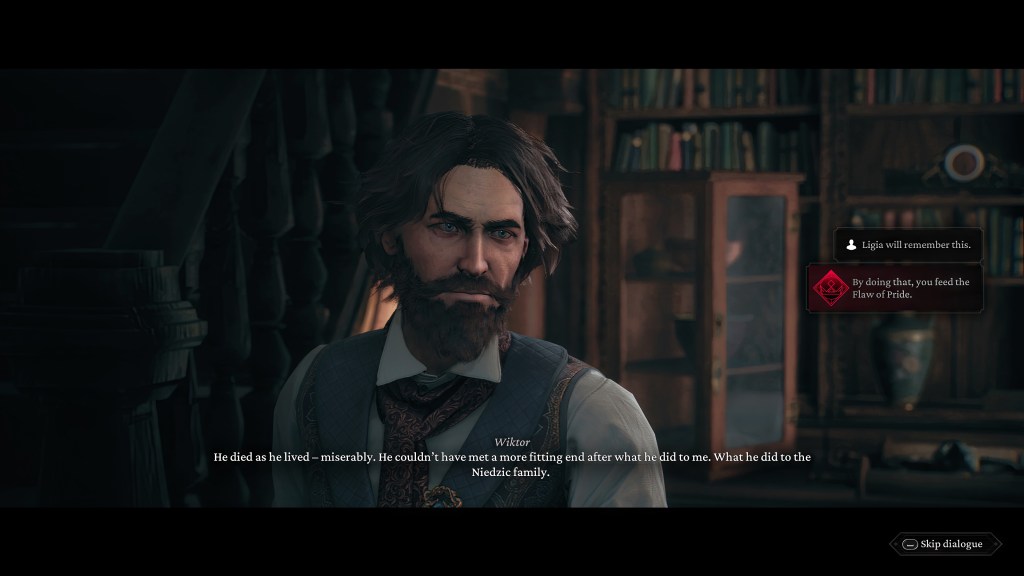
In conclusion, The Thaumaturge offers a compelling mix of detective work, turn-based combat, and psychological exploration. Its unique mechanics, such as the timeline combat system, the connection to demons through personal flaws, and the emotional depth of its narrative, make it a standout title in the genre. While its slower pace and methodical exploration might not be for everyone, those who enjoy rich world-building and thoughtful storytelling will find much to appreciate in this dark, atmospheric adventure.

Leave a Reply