
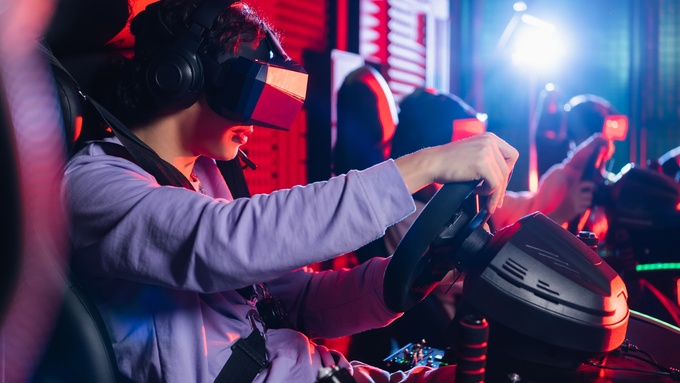
You don’t need to spend time behind the wheel of a performance car to recognize that handling can make or break the driving experience. Many players jump into a racing game expecting raw horsepower to decide every race, only to realize that speed means very little when a car refuses to turn or loses grip through every corner. That moment changes the way you think about driving. Once you understand what good handling can do, you start noticing it everywhere, both on the screen and on the road.
Speed Only Tells Part of the Story
The first lesson most racing games teach doesn’t involve horsepower. Instead, they show you that carrying speed through a corner often matters more than winning a drag race down the next straight. You quickly realize that the fastest car on paper won’t stay in the lead if it struggles to stay planted.
That realization closely mirrors real driving. Drivers appreciate a balanced car because it responds predictably and inspires confidence. Those qualities don’t always stand out until you’ve experienced the alternative.
Every Corner Rewards Better Control
As you spend more time with racing games, you start anticipating weight transfer without realizing it. You brake earlier before a tight bend, ease back onto the throttle, and avoid steering inputs that upset the car. The game rewards smoother driving because stability almost always beats aggression over the course of a race.
That same mindset helps explain why enthusiasts invest so much time on suspension upgrades in the real world. You can increase power, but you still need the chassis to communicate with the driver. When those parts work together, every turn feels deliberate instead of unpredictable.
Games Capture More Reality Than You Think
Modern racing games don’t recreate every detail of real-world physics, but they capture enough to help you recognize good driving habits. You begin noticing when a car understeers into a corner or struggles to put power down as you exit. Those situations stop feeling random because you’ve experienced them repeatedly in a virtual setting.
Several ideas start making more sense once you connect them to both virtual and real driving:
- Smooth steering creates more consistent grip
- Balanced suspension improves confidence through corners
- Weight transfer affects every braking and turning input
- Driver control often matters more than outright horsepower
Those lessons stay with you long after you put the controller down
Appreciation Changes the Way You Watch Cars
Once you understand what handling contributes to performance, you start to appreciate its importance. Racing games offer more than entertainment because they quietly teach you to value control over raw speed. That perspective carries into every racing scene, every car discussion, and every performance build you encounter. The next time you notice a perfectly executed corner, you’ll probably appreciate the skill behind it just as much as the horsepower that made it possible.
Leave a Reply