
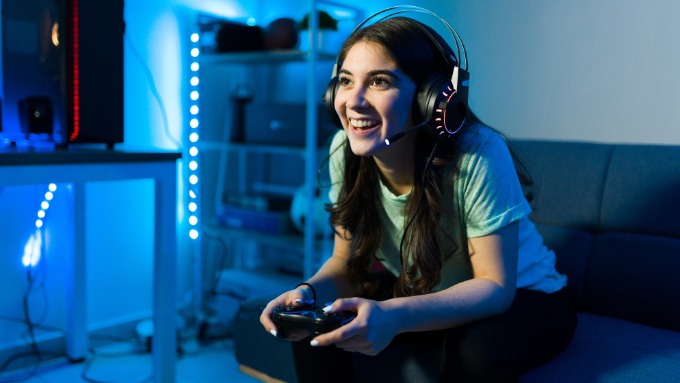
Too much screen time can sometimes disrupt sleep and worsen mental fatigue. It can also encourage people to tune out difficult emotions. Yet, that doesn’t mean you have to avoid every screen-based activity. In fact, gaming can fit into a healthy self-care routine by offering a structured way to relax. With reasonable limits, gaming can be restorative rather than draining.
Use Gaming To Unwind
Gaming can provide a clear break between daily responsibilities and personal time. A short session may help your mind shift away from work, school, or other pressures. Choosing a calm or familiar game can make that transition feel more relaxing.
It also helps to decide how long the session will last before starting. A set stopping point can prevent gaming from interfering with sleep or other routines.
Match Games to Your Mood
Different games can support different emotional needs. A cozy simulation may feel comforting after a stressful day, while an action game can provide an outlet for built-up energy. Pay attention to your mood so you can choose games that help you relax, refocus, or release tension.
Staying aware of your mood can help gaming fit into a healthy self-care routine without becoming a way to ignore ongoing distress. People who feel depressed, angry, or irritable may sometimes use games to avoid difficult emotions or escape problems that need attention. Understanding the relationship between anger and depression can make it easier to recognize when frustration may be connected to a deeper mental health concern.
Build Healthy Gaming Breaks
Long gaming sessions can lead to tired eyes, stiff muscles, and mental fatigue. Short breaks help players stay comfortable without taking away from the experience.
A few simple habits can make each session healthier:
- Drink water between matches or chapters.
- Stand and stretch during loading screens.
- Rest your eyes by looking away from the screen.
- Stop playing when fatigue begins to affect your mood.
Strengthen Social Connections
Multiplayer games can give friends a shared activity, even when they live far apart. Cooperative missions and casual matches create opportunities to talk, laugh, and work toward a common goal. Regular gaming sessions can also help maintain friendships during busy periods.
The quality of the gaming community matters just as much as the game itself. Muting hostile players and choosing supportive groups can give you a more positive experience.
Like any other hobby, gaming can be healthy when done with purpose and balance. Choosing the right game, setting clear limits, and taking regular breaks can make each session feel more restorative. Positive social experiences can also add connection and enjoyment without letting gaming take over other parts of life. When it supports your well-being instead of replacing healthy habits, gaming is a rich source of fun, comfort, and relaxation.
Leave a Reply