
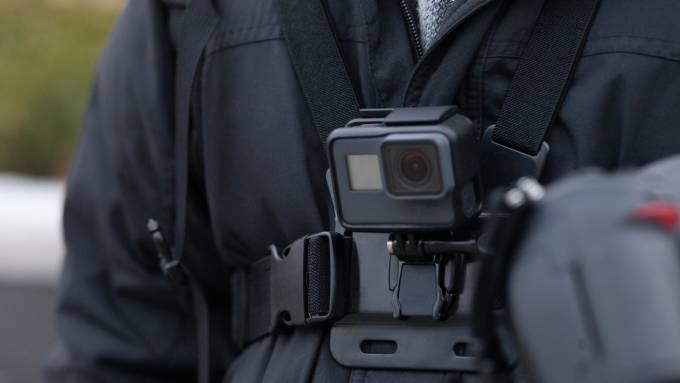
Cinema enthusiasts and filmmakers alike revel in the innovative techniques that can turn a simple scene into a memorable cinematic moment. The Snorricam shot stands out for its unique ability to immerse viewers directly into the perspective of a character and create an intense, personal viewing experience.
Today, we take a thrilling ride through movie history, exploring some of the most famous implementations of the Snorricam shot. Discover how directors have harnessed this dynamic technique to enhance storytelling and visual impact.
Mean Streets (1973)
Although not termed a Snorricam shot at the time, Martin Scorsese’s innovative use of a similar technique in Mean Streets predates many others. By mounting the camera directly on his actors, Scorsese created a raw, immersive experience that brought viewers closer to the film’s characters and their experiences.
The technique effectively conveys the tumultuous and erratic world of small-time gangsters, embedding the audience within the narrative in a deeply personal way. Scorsese’s work with this method laid the groundwork for what the industry would later recognize as the Snorricam shot. Since his work, it’s become an essential shot for filmmakers to master, and today, people use it for myriad storytelling purposes.
Pi (1998)
Darren Aronofsky’s psychological thriller about a mathematician obsessed with finding patterns in the universe uses this technique to illustrate the protagonist’s mounting paranoia and obsession. The Snorricam shots in Pi are claustrophobic and disorienting, effectively capturing the protagonist’s perspective as he navigates a chaotic, overwhelming environment. These moments are crucial in communicating the character’s internal turmoil and the blurring line between his obsession and reality.
Fight Club (1999)
David Fincher’s film explores themes of identity, chaos, and male camaraderie through the lens of an underground fighting ring, all while using the Snorricam to striking effect. In one memorable scene, the narrator (Edward Norton) wears the Snorricam as he reels from a punch, capturing his disorientation and the raw, visceral impact of the fight.
This technique immerses viewers directly into the physical and psychological turmoil the protagonist experiences, blurring the lines between reality and hallucination. The use of the Snorricam amplifies the film’s gritty, anarchistic aesthetic. The audience feels every hit, stumble, and moment of confusion right alongside the characters.
The Hangover (2009)
In Todd Phillips’s comedy about a Vegas bachelor party gone awry, the Snorricam provides a humorous twist on the technique. Used during a sequence where the characters experience a night of excessive drinking, the camera captures their drunken disarray from a first-person perspective.
This use of the Snorricam adds to the comedic effect by emphasizing their impaired coordination and judgment and places the audience in the shoes of the protagonists. Here, the technique serves to elevate the humor and absurdity of the situation, showcasing its adaptability across genres.
Exploring the innovative Snorricam shot across various films reveals just how versatile and powerful this filming technique truly is. From the psychologically intense to the humorously chaotic, directors have harnessed the Snorricam’s unique perspective to draw audiences deeper into their cinematic worlds. These famous uses are a testament to the creative potential that filmmakers can unlock with just a camera and a vision, pushing the boundaries of traditional storytelling.
Leave a Reply