
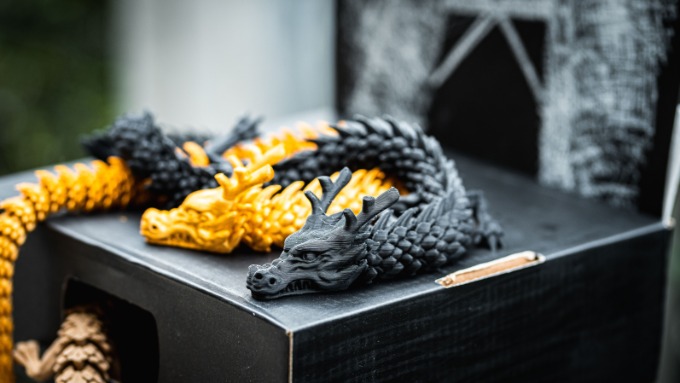
Movies and games invite fans into worlds filled with memorable heroes and villains. But the stores rarely stock every costume variant or side character. Creating custom figurines offers a personal route to collectibles, and a 3D printer can make that happen.
Choosing a 3D printer takes more thought than chasing the highest resolution claim. Figurine size and surface detail influence the ideal printing method, and you’ll need to account for your workspace. These tips will help you choose the best machine for your creative endeavors.
Prioritize Fine Detail
Miniature armor, facial expressions, and intricate accessories reveal print quality almost immediately. Resin printers stand out in this area because they cure liquid resin in extremely thin layers, allowing for sharper edges and smoother surfaces. This level of precision works especially well for detailed characters from anime, comics, or games where subtle features like hair strands, armor etching, or facial contours define the overall look.
Fused deposition modeling (FDM) machines, on the other hand, build objects layer by layer using filament, which can result in visible lines across the surface. These printers tend to perform better with larger figures or stylized designs where ultra-fine detail isn’t the main focus. If a project leans toward bold shapes or exaggerated proportions, FDM may still deliver satisfying results.
Check Print Capacity
Build volume controls whether a character prints in one piece or in several sections. Compact machines fit easily on desks or hobby spaces with limited space. Just keep in mind that these printers will struggle with large display statues.
Splitting models adds assembly work and raises the chance of visible seams. Each section must align precisely during assembly, or the final figure may appear uneven or distorted. Sanding, filling, and painting over joints can improve the finish, yet these extra steps demand time and patience.
Study Slicer Compatibility
Hardware alone won’t carry a project across the finish line when the software turns into a boss battle. A dependable slicer should provide intuitive support controls and flexible profile settings, allowing creators to fine-tune prints without constant frustration.
When exploring all of the machines, remember that there’s a learning curve to 3D printing. Researching the slicer and its features is essential before committing to a setup because it directly affects print quality, ease of use, and how efficiently designs turn into finished figurines.
Beyond usability, file compatibility plays a major role in maintaining creative flow. A slicer that handles common formats smoothly prevents interruptions during model imports and reduces the risk of errors mid-project. When software and hardware work in sync, the entire process is cohesive and rewarding.
Review Cleanup Demands
Resin printing delivers impressive detail, but precision comes with an involved post-processing routine. Each print requires washing and curing, so a dedicated space and careful handling practices become part of the workflow.
In contrast, FDM printing skips liquid resin cleanup. But it does introduce tasks like nozzle maintenance. Considering how each method fits into your available space and daily routine will make the overall experience far more manageable.
Which 3D-Printed Figurine Will You Create?
Finding the right 3D printer is part of the creative process when creating figurines from scratch. It doesn’t have to master every material or model size, but it should match the figure scale and your desired detail level.
Leave a Reply