
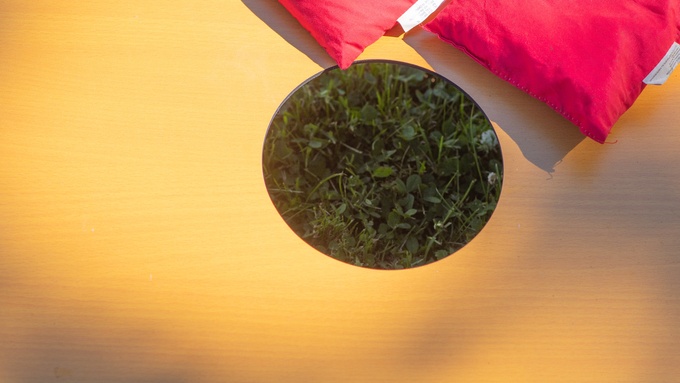
Your custom cornhole boards are more than just a game; they’re a statement piece. Whether they’re emblazoned with the crest of House Targaryen or the iconic symbol of the Rebel Alliance, they deserve to be treated with care. To ensure your beloved cornhole boards remain ready for epic backyard battles for years to come, follow these essential maintenance tips.
Regular Cleaning
After a few intense matches, your boards are bound to collect some dirt and dust. Wiping them down with a damp cloth after each use is a simple but effective way to keep them clean.
For more stubborn grime—like a spilled Butterbeer or a smudge of Cheeto dust—use a bit of mild soap mixed with water. Avoid harsh chemicals or abrasive cleaners, as they can strip the finish and damage that beautiful artwork. Gently wipe the stained area, then dry it completely with a clean cloth.
Apply a Protective Coating
The smooth, glossy finish on your boards is crucial for that perfect slide. Over time, friction and exposure to the elements can wear it down. To maintain a slick surface on your favorite cornhole boards and protect their design, reapply a clear coat of polyurethane every year or so.
Before you begin, make sure the boards are completely clean and dry. Apply a thin, even layer of the coating and let it cure according to the manufacturer’s instructions, usually for at least 24 hours. This will create a fresh shield against wear and tear, keeping your boards in tournament-ready shape.
Smart Storage Solutions
Where you store your boards can make a huge difference in their longevity. Wood is susceptible to warping and cracking when exposed to extreme temperature changes and moisture. The best place to store your boards is in a cool, dry location, like a garage or a basement.
If you must store them outside, invest in a quality waterproof cover. This will protect them from rain, humidity, and the damaging effects of UV rays, which can cause the colors on your custom design to fade.
Inspect and Repair
Before each gaming session, give your boards a quick once-over. Check for any loose screws or nails around the frame and legs, and tighten them up to ensure the board remains stable. Run your hand along the edges and surface to feel for any rough spots or splinters. If you find any, lightly sand them down with fine-grit sandpaper until they’re smooth.
Depending on how long you’ve had your boards, though, these simple repairs might not be enough to fix the issue. You’ll need to decide whether to repair or replace the board based on the damage. While a replacement won’t be ideal, look at it as an opportunity to try out a new design for something else you love.
Leave a Reply