
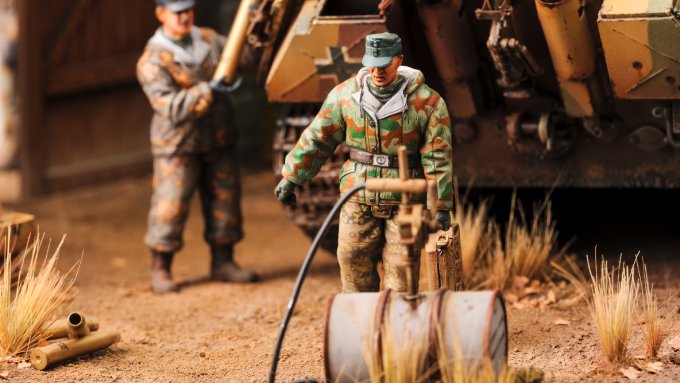
Tabletop commanders crave immersion. Plastic miniatures look great, but they need a worthy environment. A flat green mat fails to capture the stakes of global conflict. Building realistic terrain changes the tactical landscape and forces players to adapt strategies.
Mastering how to recreate iconic WWII battlefields for wargames turns a standard match into a cinematic event. Here are some tips for creating authentic replicas.
Omaha Beach: Storming the Bluffs
Normandy presents a unique challenge: the Atlantic Wall. Allied forces face a killing zone while Axis defenders hold the high ground. The geography dictates the flow of battle.
- The Shingle: A bank of loose stones lined the seawall, trapping vehicles and infantry. Use coarse aquarium gravel or kitty litter to simulate this tricky footing.
- The Bluffs: Steep cliffs dominated the beach. Stack layers of high-density foam insulation and cut them with a hot-wire cutter to form jagged ridges.
- Draws: Leave gaps in the cliffs. These sandy exits serve as the primary objective for the attacking player.
The Ardennes: Frozen Forests
The Battle of the Bulge demands dense woods and bitter cold. Your terrain must convey the freezing conditions that plagued soldiers in 1944.
- Snow Drifts: Mix baking soda with white glue and white paint. Apply this paste over the ground and tree branches to simulate heavy snowfall.
- Pine Forests: Clumps of evergreen trees break up lines of sight. Glue bottle brush trees to large bases for easy movement.
- Foxholes: Build up small mounds of clay or putty to represent dug-in positions.
Your vehicles should blend with their environment. A spotless tank looks out of place in a war-torn forest. Applying a winter whitewash over standard olive drab provides historical accuracy. Researching military vehicle paint types helps you choose the right colors and finishes for American jeeps or German panzers in winter conditions.
Stalingrad: Urban Warfare
The Eastern Front offers a grim industrial setting. This environment prioritizes close-quarters combat and verticality. Snipers hide in high rises while infantry squads clash room-to-room.
- Factory Ruins: Large MDF kits serve as excellent centerpieces. Remove walls and roof sections to allow hand access for moving models.
- Rubble Piles: Don’t throw away leftover plastic sprues. Clip them into small bricks and mix with plaster. Heap this debris around the base of ruined buildings.
- Craters: Artillery reshaped the city. Use a Dremel tool to hollow out impact sites on your board.
Setting the Stage for Victory
Terrain dictates strategy. A well-built board forces hard choices. Infantry need cover, and tanks fear bottlenecks. Investing time in detailed scenery honors history and improves the game. Recreating iconic WWII battlefields for wargames takes patience, but the final visual impact justifies the effort. Apply your tips and wow your guests the next time you all gather for games!
Leave a Reply