
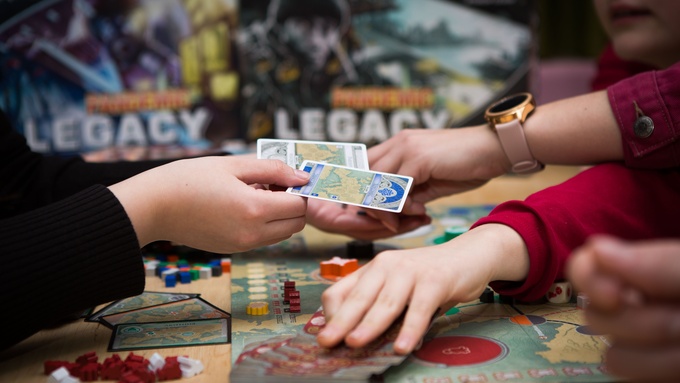
In an era dominated by online multiplayer lobbies and digital matchmaking, there’s something uniquely powerful about gathering around a physical table. From card games to foosball and strategy board games, these shared experiences continue to show how competitive tabletop games build communities.
The Social Power of Shared Play
At their core, tabletop games are inherently social. Unlike online gaming, where players interact through screens and headsets, in-person play encourages direct communication, body language, and shared experiences. Rivalries form, friendships deepen, and players begin to recognize familiar faces across game nights.
This repeated interaction transforms a group of players into a community. Whether it’s a weekly board game meetup or a casual tournament at a local café, these gatherings create a sense of belonging that’s hard to replicate digitally.
Competition as a Community Engine
Competition often gets framed as divisive, but in tabletop spaces, it tends to do the opposite. Structured play—rankings, brackets, or leagues—gives participants a reason to return, improve, and engage with others who share their interests.
More importantly, competition creates narratives. Regular players begin to follow each other’s progress, celebrate victories, and learn from defeats. These shared stories become part of the group’s identity, reinforcing the community over time.
Accessibility and Cross-Generational Appeal
One of the strengths of tabletop gaming is its accessibility. You don’t need a high-end PC or console, just a table, a game, and willing participants. This low barrier to entry opens the door to a wider range of players, from seasoned hobbyists to curious newcomers.
It also makes these communities more diverse. Different age groups, skill levels, and backgrounds can all find common ground through play. A competitive match might bring together people who would otherwise never interact, creating unexpected connections that extend beyond the game itself.
Local Spaces, Lasting Impact
Setting up your own foosball tournament doesn’t have to be a hassle, and the payoff is building a stronger community. These physical spaces serve as anchors for local gaming culture, providing a consistent environment for communities to grow.
Over time, these hubs become more than just venues; they’re gathering places where people can celebrate wins, share strategies, and introduce friends to the hobby. The sense of continuity helps transform occasional players into regulars, and regulars into community members.
Why It Still Matters
As entertainment becomes increasingly digital, the appeal of face-to-face interaction is only growing stronger. Online platforms struggle to replicate the competitive spirit and community tabletop games offer.
They remind players that competition doesn’t have to be isolating. In the right environment, it can be the very thing that brings people together, turning simple games into lasting communities.
Leave a Reply