
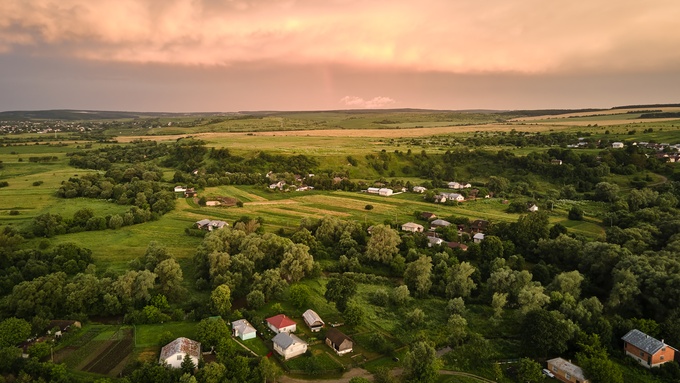
Rural communities have faced connectivity challenges for decades, but forward-thinking companies are finally stepping up to bridge the digital divide. These innovative approaches are bringing high-speed internet to areas that traditional providers have long overlooked, creating new opportunities for education, healthcare, and economic growth in underserved regions. Continue reading to discover how companies are improving rural internet.
Satellite Internet Takes Center Stage
Companies like Starlink have revolutionized rural connectivity by launching thousands of low-earth orbit satellites. This technology delivers broadband speeds that rival urban connections, reaching remote locations where traditional cable infrastructure would cost millions to install. Satellite internet now serves over 2 million rural households, with download speeds averaging 100 Mbps—a dramatic improvement from the dial-up connections many rural areas relied on just a few years ago.
Fixed Wireless Access Leverages Existing Infrastructure
Telecommunications companies are maximizing existing cell towers and infrastructure to beam internet signals directly to rural homes and businesses. This approach costs significantly less than laying fiber optic cables across vast rural territories. Verizon and AT&T have expanded their fixed wireless programs to cover over 40 million rural Americans, using 4G and 5G networks to deliver reliable internet without requiring expensive infrastructure overhauls.
Government Partnerships Drive Massive Expansion
The Federal Communications Commission’s Rural Digital Opportunity Fund has allocated $20.4 billion to support internet expansion projects across underserved areas. Private companies are partnering with government initiatives to accelerate deployment timelines and reduce costs. Equipment rentals are helping complete rural fiber projects more efficiently, allowing contractors to access specialized installation tools without the massive upfront investments that previously slowed rural buildouts.
Community-Led Solutions Fill Critical Gaps
Local cooperatives and municipal broadband programs have emerged as powerful forces for rural connectivity. These community-driven initiatives often succeed where larger corporations have failed because they understand local needs and can navigate regulatory challenges more effectively. Cities like Chattanooga, Tennessee, and Wilson, North Carolina, have built their own fiber networks, delivering gigabit speeds at competitive prices while reinvesting profits back into their communities.
5G Networks Promise Rural Transformation
Next-generation wireless technology is expanding beyond urban centers, bringing unprecedented speeds to rural markets. T-Mobile’s rural 5G network now covers most of America, including many previously unconnected rural areas. This technology supports everything from precision agriculture to telemedicine, creating new economic opportunities that were impossible with slower connections.
The Path Forward
Companies continue developing innovative solutions to overcome rural internet challenges, from advanced satellite constellations to creative financing models that make high-speed internet affordable for rural families. These efforts are transforming rural communities and creating opportunities that will drive economic growth for generations to come.
The digital divide is shrinking thanks to these creative approaches. Consider exploring which rural internet solutions might work best for your community or business needs. Your world will never be the same.
Leave a Reply