
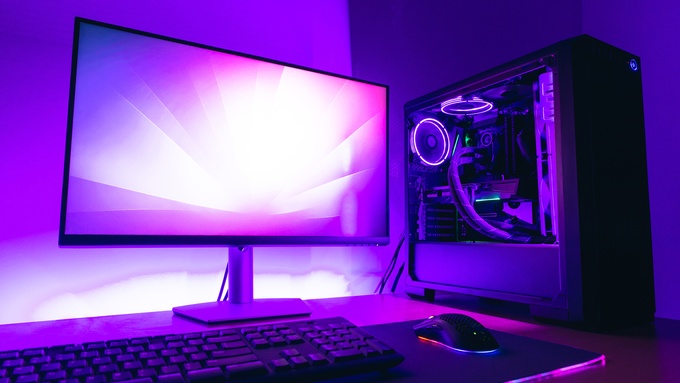
A gaming PC is a spectacle. It seems odd that extremely tiny components do the real work to power the machine.
Small power parts help a system hold stable voltages, control heat, and support the fast shifts modern games demand from a CPU (central processing unit) and GPU (graphics processing unit). For anyone building a PC or planning an upgrade, it’s helpful to know which miniature technological components power your gaming PC.
MOSFETs Handle Fast Switching
A MOSFET (metal-oxide-semiconductor field-effect transistor) acts like tiny high-speed switches inside a gaming PC. It moves electrical current precisely and feeds the processor and graphics card. Every firefight, open-world sprint, shader compilation, and frame spike pushes this component into action.
Strong MOSFETs support steady performance under pressure. Weak ones waste power and run extremely hot, straining the nearby components. These differences explain why two boards with similar specs may deliver varying results during long gaming sessions.
Capacitors Ease Power Flow
A system will jump from desktop idle to full gaming load in a split second. Capacitors store and release energy in quick bursts to ease voltage swings. These shifts happen during gaming, streaming, recording, and background downloads.
Without solid capacitor support, power delivery turns messy. Clock speeds dip, system behavior becomes erratic, and sensitive components lose the clean input they require. These parts rarely get attention, yet they help a build run consistently.
DC-DC Converters Shape Power
One of the most important players in this process is the DC-DC converter. It steps power down to the exact level a processor or graphics card needs. In a gaming PC, that precision supports quick response during fights, open-world streaming, ray tracing, and long play sessions.
This is where small-scale engineering gets interesting. Builders talk a lot about cores, clocks, fans, and RGB, but power conversion shapes the whole experience. Even the idea of calculating power density in miniature DC-DC converters is challenging. Engineers have to fit an immense amount of power into a tiny footprint without turning the board into a hazard.
Inductors Produce Steady Power Delivery
Inductors work with converters and capacitors to keep current under control. They resist sudden swings and help the motherboard or graphics card feed cleaner power to critical chips. Most builders spot them near VRM sections and move on, but they play a serious role in overall stability.
In gaming systems, stable delivery boosts performance during demanding scenes. Tiny parts like these help a rig hold up under pressure instead of wobbling during peak load.
Small Parts With a Lot of Power
A gaming PC depends on far more than a flashy GPU or oversized cooler. MOSFETs, capacitors, DC-DC converters, and inductors are the primary miniature components powering your gaming PC. They shape performance, stability, and thermal behavior from the moment a game boots up.
Look past the headline specs during your next build. Pay attention to the compact hardware handling power behind the scenes. No matter the game, the final system will stand a better chance of being stable and strong.
Leave a Reply