
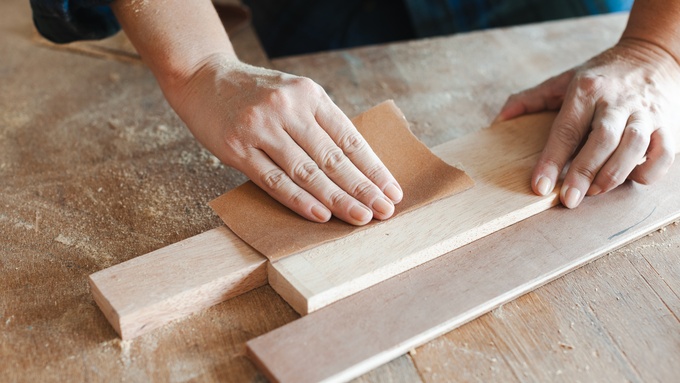
Woodworking offers a practical and rewarding way to build useful items with your own hands. Many beginners feel overwhelmed by tools, techniques, and project ideas, but you can start with a clear plan and steady practice. When you focus on core skills, choose manageable projects, and use the right equipment, you build confidence quickly. The woodworking hobby does not require a large workshop or expensive machinery; it requires commitment, patience, and attention to detail.
Choose the Right Tools to Begin
You need a small set of reliable tools to complete most beginner projects. Start with a circular saw, a drill, a random orbital sander, a tape measure, a speed square, and a few clamps. These tools allow you to break down lumber, drill clean holes, smooth surfaces, and assemble parts accurately. Avoid buying every new gadget you see. Instead, invest in quality versions of the basics and learn how to use them correctly. As your skills improve, you can expand your collection with purpose.
Learn Core Skills Before Complex Projects
Resist the urge to build large furniture on your first attempt. Practice measuring, marking, cutting, and fastening on smaller items such as shelves, stools, or simple boxes. Accurate measurement determines how well your parts fit together, so check each dimension twice before you cut. Develop control with your saw by following straight guide lines and supporting your material securely. Many beginners struggle because they rush through steps and ignore layout details. Slow work produces cleaner joints and stronger assemblies.
Understand Wood Types and Materials
Different woods behave in different ways, so you should learn their basic characteristics. Softwoods such as pine cost less and cut easily, which makes them ideal for practice projects. Hardwoods like oak and maple offer greater durability and a refined appearance, but they demand sharper tools and careful planning. Plywood and other sheet goods provide stability and strength for cabinets and storage builds. When you select lumber, inspect each board for warping, cracks, and knots that could weaken your project.
Prioritize Safety and Avoid Common Errors
You must treat safety as a daily habit. Wear eye protection, hearing protection, and a dust mask whenever you cut or sand. Keep your workspace organized so you prevent trips and accidental contact with blades. Learn proper setup techniques to avoid common circular saw mistakes, such as setting the blade depth too low or failing to support the offcut. Maintain firm control of your tools and disconnect power before you change blades or bits. Consistent safety practices protect your hands and keep your progress on track.
Plan Projects and Build Momentum
Set clear goals for each project and break the work into defined steps. A simple plan keeps you focused and reduces wasted materials. Before you begin, outline key details:
- Final dimensions and overall design
- Required tools and hardware
- Cut list for every component
- Assembly order and finishing method
When you follow a written plan, you limit mistakes and complete projects faster. Track your improvements by noting what worked well and what needs adjustment. Over time, you will refine your techniques and take on more advanced builds with confidence. Consistent practice turns small successes in the woodworking hobby into lasting skill and long-term enjoyment. Stay patient and keep building regularly consistently.
Leave a Reply